

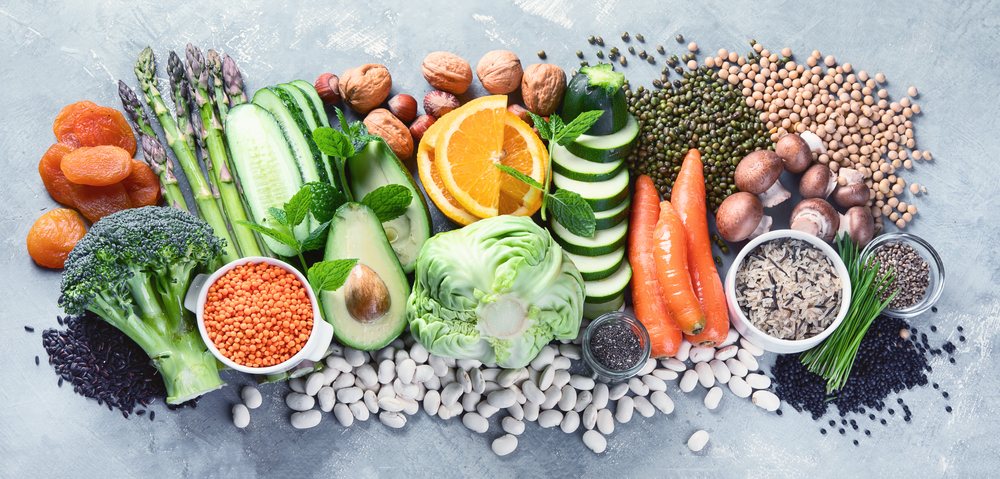

More people are choosing plant-based nutrition due to various factors, including significant health benefits, such as improved cardiovascular health and lower chronic disease risk. Shifting consumer preferences, especially among younger generations, have emphasized clean labels and global flavors. Environmental concerns also play a role, as sustainable eating practices emerge. Innovations in plant-based food technology further enhance appeal. The growing market reflects a shift towards healthier, more sustainable diets that many are keen to investigate.
Highlights
- Health benefits, such as improved cardiovascular health and lower chronic disease risk, attract individuals to plant-based diets.
- Growing environmental concerns drive consumers towards sustainable eating practices and lower-impact food choices.
- Flexitarian lifestyles allow for easier transitions to plant-based eating, appealing to those seeking flexibility.
- Innovations in plant-based products enhance taste and convenience, making them more marketable to mainstream consumers.
- The increasing availability of clean label options meets consumer demands for transparency and recognizable ingredients.
Rapid Growth of the Plant-Based Market
The rapid growth of the plant-based market reflects a significant shift in consumer preferences and industry trends. With a global market projected to grow from $14.225 billion in 2025 to $44.181 billion by 2035, the industry is positioned for extraordinary expansion, particularly in the U.S. where retail sales are anticipated to reach $8.1 billion in 2024. However, the market faces notable challenges, including supply chain bottlenecks and economic pressures that could affect profitability. Despite these obstacles, the demand for innovative products like plant-based snacks and dairy alternatives remains strong. As consumer awareness of health and environmental benefits continues to rise, the plant-based sector is adapting to align with market demands and overcome emerging industry challenges. Meat substitutes lead the category with a 47.8% market share, highlighting the growing consumer interest in diverse protein-rich options. Notably, the plant-based food market size increased from $56.99 billion in 2024 to $64.56 billion in 2025, reinforcing the expansion seen in this sector. Additionally, the trend of narrow profit margins amidst robust consumer demand is expected to continue, indicating the competitive nature of the market.
Demographic Shifts and Consumer Preferences
As consumer awareness of health, sustainability, and ethical sourcing grows, demographic shifts are reshaping preferences within the plant-based nutrition scenery. Significantly, 25% of U.S. consumers identify as flexitarian, reflecting a move toward reduced meat intake. This shift drives demand for plant-forward options, with products emphasizing taste and health resonating most with this group. Flexitarian lifestyles are increasingly seen as lifestyle choices rather than restrictive diets. Additionally, plant-based diets offer several health benefits, including reduced risks of heart disease and diabetes, further motivating consumers towards plant-forward options. Accessibility also plays a vital role, as retailers offer budget-friendly alternatives that meet consumer trends for quality. Furthermore, a preference for clean labels and recognizable ingredients indicates a desire for authenticity, while global flavors and convenience products enhance everyday meal options, aligning with the changing values of modern consumers. Notably, flexitarians are driving the plant-based protein market, making it essential for brands to cater to their evolving preferences. This trend correlates with a growing interest in naturalness as consumers look for authenticity in their food choices.
Health Benefits of Plant-Based Diets
A growing body of research highlights the extensive health benefits associated with plant-based diets. These diets are linked to significant improvements in cardiovascular health, marked by lower LDL cholesterol levels and better blood pressure management. With effective diet planning, individuals can better manage their weight, as plant-based eaters typically exhibit lower BMIs. Additionally, a plant-based diet can decrease the risk of chronic diseases—including diabetes, heart disease, and certain cancers—through enhanced insulin sensitivity and increased antioxidant intake. By emphasizing fiber-rich foods, such diets promote satiety and support the immune system. Ultimately, the nutrition benefits of adopting a plant-based approach nurture not only individual health but also a sense of community among those who prioritize wellness. Moreover, multiple studies have shown an inverse relationship between a vegan diet and type II diabetes, underscoring its role in metabolic health. Notably, research indicates that a vegan diet can improve cardiovascular health in as little as eight weeks. Additionally, vegetarians generally have a lower risk of ischaemic heart disease compared to meat-eaters, further emphasizing the protective benefits of plant-based diets.
Bridging the Intention-Action Gap
Recognizing the challenges faced by individuals when attempting to adopt a plant-based diet is essential in understanding how to bridge the intention-action gap. Cognitive barriers such as immediate gratification bias and knowledge-action misalignment often undermine intentions. To counter these obstacles, behavioral frameworks like the KNOW-FEEL-DO™ model facilitate change by combining education, emotional engagement, and actionable steps. Mental Contrasting with Implementation Intentions (MCII) serves to identify obstacles while creating specific plans, promoting consistency. Incremental habit formation and gamified approaches further engage individuals, making the path more enjoyable and less intimidating. By addressing cognitive barriers through supportive frameworks, sustainable plant-based practices become more achievable, nurturing a sense of community and belonging among those pursuing to eat healthier. Understanding that reducing meat intake can significantly decrease resource consumption helps reinforce the long-term benefits of adopting a plant-based diet. Immediate gratification can lead individuals to prioritize short-term rewards, making it crucial to address this issue for effective dietary changes. Understanding that motivation plays a significant role in consistently adopting such lifestyle changes can further enhance the effectiveness of these strategies.
UK: A Leader in Plant-Based Adoption
The United Kingdom stands at the forefront of plant-based diet adoption, reflecting significant demographic shifts and changing consumer preferences. Approximately 3% of the population, or around 2 million people, identify as vegan or plant-based, with urban areas like London leading this trend. Particularly, government policies support this movement, emphasizing plant-based innovations and sustainability. The focus on reducing environmental impact strikes a chord strongly with younger generations, particularly Gen Z, who are twice as likely to adopt meat-free lifestyles. As the market for meat-free products expands – projected to reach £1.1B by 2024 – the UK demonstrates a commitment to embracing health-conscious and ethical dietary choices, reinforcing its position as a leader in plant-based adoption. Mindful and sustainable eating habits are becoming more popular, contributing to this cultural shift. This shift in consumer behavior is mirrored by the growth of 6.4% in veganism expected by 2025 in the UK. Additionally, 59% of consumers express concerns over taste, highlighting a critical area for improvement in the plant-based sector.
Innovations in Nutrition and Technology
Innovations in nutrition and technology are revolutionizing the plant-based scenery, offering outstanding advancements that enhance both the appeal and health benefits of plant-based diets. Protein innovation is at the forefront, with novel sources such as regenerative legumes and marine superfoods supplementing traditional options. Fermentation technology plays a vital role, optimizing plant proteins through microbial cultures for enriched nutritional profiles. This includes animal-free dairy created using precision fermentation, providing essential nutrients like B12 and omega-3s without compromising ethical standards. Advances in clean label solutions reflect consumer demand for transparency, leading to simplified formulations devoid of artificial additives. Additionally, innovations such as precision fermentation enable the creation of animal-free proteins that bring even more nutritional diversity to plant-based diets. Plant-based foods rich in fiber, antioxidants, and plant proteins improve overall well-being. Together, these innovations nurture a welcoming space for those embracing a sustainable, health-conscious lifestyle rooted in plant-based nutrition. As the global plant-based food market continues to expand, optimizing plant proteins through microbial cultures to enrich nutritional content is essential, and these developments will support a health-conscious lifestyle.
The Future of Sustainable Eating Practices
Sustainable eating practices are positioned to reshape global dietary habits, reflecting a growing awareness of the environmental, social, and health implications of food choices. The future of sustainable agriculture emphasizes regenerative techniques that enhance soil health and promote nutrient-dense crops, vital for food security. As climate change threatens crop viability, climate-adapted varieties guarantee continued, sustainable food production. Furthermore, the rise of alternative proteins, including plant-based, mycoprotein, and insect-based sources, aligns with a demand for lower environmental impact. This shift toward nutrient-dense foods is essential, as it not only supports human health but also ensures the sustainability of food systems. In addition, these sustainable practices must provide sufficient energy and essential nutrients to maintain a healthy population. As these practices gain traction, they create inclusive food systems that cater to diverse communities, nurturing belonging through equitable access to nutritious options.
Conclusion
As the plant-based market continues to flourish, driven by shifting demographics and heightened awareness of health benefits, more individuals are embracing these dietary choices. Innovations in nutrition and technology further support this shift, making plant-based options more accessible and appealing. With the UK at the forefront of this movement, the future of sustainable eating practices appears promising. This evolution signifies not only a change in dietary preferences but also a commitment to healthier lifestyles and environmental sustainability.
References
- https://milkyplant.com/blogs/the-latest/the-data-is-in-why-plant-based-diets-are-winning-in-2025
- https://healthscience.institute/2025/07/02/plant-based-nutrition-trends-2025/
- https://vegoutmag.com/news/nat-how-many-people-are-going-plant-based-in-2025-heres-what-the-data-says/
- https://www.acc.org/About-ACC/Press-Releases/2025/03/17/15/35/Healthy-Plant-Based-Foods-Could-Help-People
- https://plantbasedhealthprofessionals.com/review-of-the-plant-based-nutrition-and-lifestyle-medicine-news-may-2025
- https://www.futuremarketinsights.com/reports/plant-based-food-market
- https://www.thebusinessresearchcompany.com/market-insights/plant-based-food-market-insights-2025
- https://www.marketresearch.com/OG-Analysis-v3922/Plant-based-Food-Size-Competition-39509506/
- https://gfi.org/marketresearch/
- https://www.precedenceresearch.com/vegan-food-market