

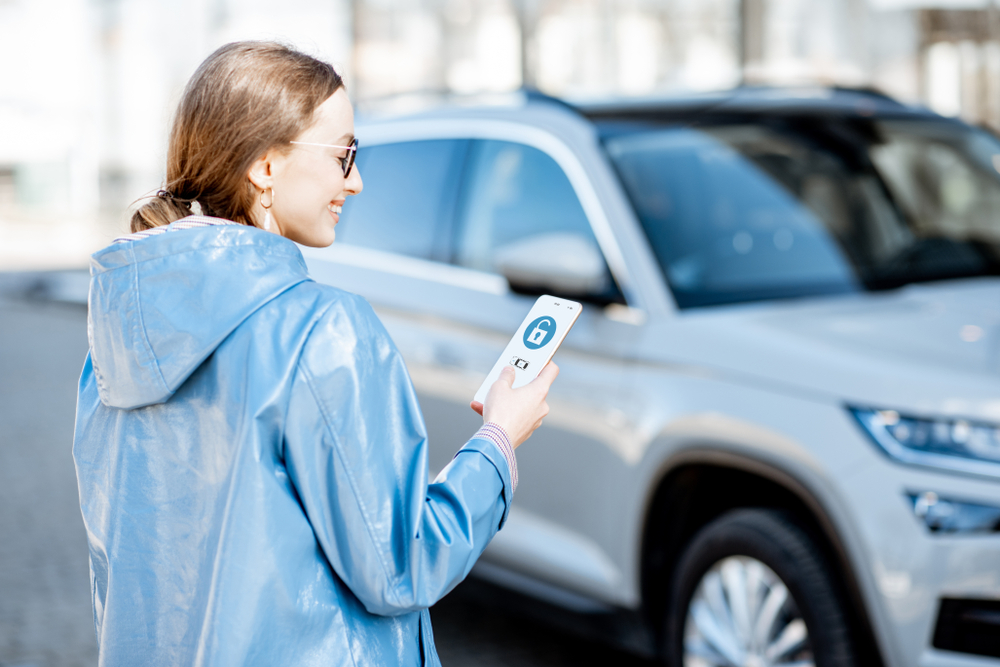

Digital car keys are becoming the new standard due to their superior security features and the rising consumer demand for convenience. Advancements in technology, including encryption and biometric authentication, enhance vehicle protection. The shift towards electric vehicles also propels this trend, as digital keys integrate seamlessly with modern infrastructure. Major automotive suppliers are prioritizing these innovations, making digital keys essential for contemporary car ownership. Continued exploration reveals further perspectives into this revolutionary evolution in vehicle access, where technology can completely change or convert the way people access vehicles, giving a deeper understanding or perception of this change.
Highlights
- Digital car keys offer enhanced convenience, allowing users to manage vehicle access directly from their smartphones and eliminate the need for traditional keys.
- Advanced security features, such as encryption and biometric authentication, substantially reduce risks of theft and unauthorized access.
- The growing adoption of electric vehicles drives demand for seamless digital access solutions that align with modern automotive infrastructure.
- Consumer preferences for connectivity and advanced features make digital keys a crucial component of the modern driving experience.
- Major automotive suppliers and emerging tech companies are investing in digital key technologies, pushing the industry towards widespread adoption and standardization.
The Growth of the Digital Car Key Market
As the automotive industry accepts technological advancements, the digital car key market demonstrates significant growth potential. Forecasts project a rise from $4.63 billion in 2024 to $15.25 billion by 2030, reflecting a resilient 22.1% CAGR. Market trends reveal that 74.2% of demand stems from passenger vehicles, driven by consumer behavior emphasizing convenience and security. The Asia-Pacific region leads adoption, particularly in China, where installations surged 53% year-over-year. North America also shows promise, with demand for vehicle connectivity features enhancing market attractiveness. The growing adoption of smart devices, including smartphones and wearables, is driving market growth. Importantly, the market’s success is heavily influenced by the increasing demand for connected and smart vehicles. Furthermore, OEMs contribute more than 57.2% of digital key sales, highlighting their pivotal role in this evolving landscape. However, regional disparities exist due to infrastructure challenges and rising production costs. The adaptive interplay of technological advancements and changing consumer needs solidifies the digital car key’s place within the modern automotive terrain.
Advancements in Technology Enhancing Security
Recent advancements in technology have substantially enhanced the security of digital car keys, addressing the growing concerns surrounding vehicle theft and unauthorized access. Encryption algorithms and Secure Elements guarantee impenetrable authentication, markedly complicating key replication. The implementation of CCC Digital Key standards facilitates cross-platform compatibility while enforcing secure protocols. Technologies such as NFC, BLE, and UWB provide secure wireless interactions, safeguarding against cyber threats. Enhanced authentication methods, including biometric verification and multi-factor authentication, add critical layers of protection. Moreover, features like remote key revocation and adaptive encryption keys reduce vulnerability to replay attacks, making keys adaptable to emerging threats. Ultimately, these technological advancements solidify the reliability and appeal of digital car keys in today’s security-focused automotive terrain. Additionally, the industry’s shift towards digital keys emphasizes the necessity of adopting these advanced security solutions. As multiple technologies like Bluetooth Low Energy and Ultra-Wideband are integrated into key systems, they enhance the overall security and functionality. The digital car key solution is a central component of digitization in the automotive space, contributing to a user-friendly experience alongside robust security measures.
Shifts in the Automotive Industry Driving Adoption
With the automotive industry undergoing a significant metamorphosis, the rise of electric vehicles (EVs) is driving the rapid adoption of digital car keys. Industry trends reveal a notable surge in EV sales, with projections indicating over 20 million units by 2025. This growth pushes for enhanced automotive innovation, making keyless entry the norm in secure, connected vehicles. Particularly in markets like China, where digital key installation is expected to exceed 80% by 2030, traditional keys are being replaced. As consumer expectations shift towards seamless connectivity and advanced features, the incorporation of digital keys becomes essential. This alignment with technological advancements and user needs highlights the crucial role of digital car keys in shaping the future of mobility. Additionally, the automotive digital key market is expected to reach US$ 11.6 Bn by 2031, further emphasizing the momentum behind this technology. The rise of automation in vehicle digitization supports the enhanced capabilities that digital keys can provide. Moreover, studies indicate that digital retailing enhances efficiency for both consumers and dealers, further underscoring the importance of integrating modern technologies like digital keys into the automotive experience.
The Competitive Landscape of Digital Key Providers
The rapid advancement of digital car keys, spurred by the automotive industry’s evolution towards electric vehicles, has intensified competition among key providers. Major suppliers like Bosch and Continental dominate the market, holding approximately 40% of the share, while semiconductor leaders such as NXP contribute essential security components. Emerging Asian players, particularly in China, represent a growing influence with 66.7% regional market share fueled by localized solutions. Market trends reveal a shift towards integrated systems, with a notable emphasis on biometric features and cloud-based management. However, enduring supplier dynamics present challenges, including cybersecurity risks and fragmented standards that complicate global adoption, underscoring the competitive nature of the digital key scenery as firms aim to meet escalating consumer expectations and technological advancements. Overall, the digital car key market is projected to exceed $15 billion by 2028, reflecting increasing consumer demand.
User-Centric Benefits of Digital Car Keys
As users increasingly prioritize convenience and security in their daily lives, digital car keys are emerging as an attractive solution that addresses both needs. Keyless entry eliminates the burden of carrying traditional keys while enabling seamless vehicle management across multiple cars within families. Integration with smartphones allows users to store digital keys in their device wallets, enhancing accessibility and streamlining sharing through app-based systems. Security enhancements, such as encryption and remote disablement, minimize the risk of theft and unauthorized access, setting a new standard for vehicle security. As automotive digital keys continue to gain traction, they align with contemporary demands for efficiency and connectivity, making them a crucial tool for modern car owners seeking both convenience and peace of mind. Furthermore, the Automotive Digital Key market is predicted to increase by USD 640 million by 2026, indicating strong consumer interest and adoption of this technology. This technology is especially appealing because it can provide a more secure approach to vehicle access compared to traditional key fobs.
Enterprise Applications Transforming Vehicle Access
Enterprise applications are fundamentally changing vehicle access by leveraging advanced technological integrations that enhance both efficiency and security. Companies now employ key management systems that enable seamless integration with connected mobility ecosystems, such as IoT and smart devices.
Emerging access solutions include subscription models, facilitating flexible vehicle sharing through ride- and car-sharing platforms. Innovations like UWB and NFC technology enhance security by minimizing relay attack risks, while biometric authentication raises user trust. Additionally, the incorporation of blockchain technology guarantees accountability in fleet management, thereby reinforcing data integrity. Furthermore, the growing market for smart car digital key systems reflects a significant shift toward embracing these modern access solutions. This shift is underscored by the projected growth of the automotive digital keys market, which is expected to reach US$8.6 Billion by 2030.
As organizations increasingly adopt these enterprise-grade systems, the convergence of access solutions promotes a collective, secure approach to vehicle management, promoting a sense of community among users and enhancing operational effectiveness. The projected Compound Annual Growth Rate (CAGR) of 5.2% highlights the increasing demand for these innovative key management systems.
The Role of EVs in Boosting Digital Key Demand
Growing consumer interest in electric vehicles (EVs) is substantially influencing the demand for digital key technologies. As EV adoption in the U.S. surged from 1.8% in 2020 to 7.2% in 2023, tech-savvy owners increasingly seek seamless, tech-forward solutions that enhance their driving experience. Digital keys, leveraging NFC, BLE, and UWB technologies, integrate perfectly into modern EV infrastructure and promote secure, convenient access. Additionally, the rise of shared mobility and premium EV segments accelerates the need for app-based access and personalized settings. This surge in demand is part of a broader trend, with the global automotive digital key market projected to reach US$ 16.7 billion by 2034. In light of the charging infrastructure challenges faced by EV adoption, digital keys provide an innovative solution that enhances the user experience by facilitating easier access to charging stations. As noted, new EV registrations accounted for 9.2% of all retail vehicle registrations across the U.S. in 2024, reflecting the growing importance of digital connectivity in the automotive sector.
These electric trends not only reflect vehicle innovation but also redefine ownership models, making digital keys essential for enhancing user security and experience while minimizing traditional key dependencies.
Conclusion
In summary, the shift to digital car keys signifies a significant change within the automotive scenery, driven by technological advancements and changing consumer preferences. As security technologies improve and the market for electric vehicles expands, the demand for digital keys will likely continue to rise. This evolution not only enhances user convenience but also aligns with broader trends in automotive innovation, laying the groundwork for a future where digital access becomes the standard for vehicle management and ownership.
References
- https://www.marketreportanalytics.com/reports/digital-car-keys-134529
- https://www.businesswire.com/news/home/20250616510136/en/Automotive-Digital-Key-Industry-Trend-Report-2025-UWB-NearLink-and-Bluetooth-6.0-Emerge-as-Future-Digital-Key-Leaders.—ResearchAndMarkets.com
- https://carconnectivity.org/automotive-digital-key-market-to-surpass-us-11-6-billion-by-2031/
- https://mobokey.com/digital-car-keys-for-business-what-you-need-to-know-in-2025/
- https://www.cognitivemarketresearch.com/digital-car-keys-market-report
- https://www.nextmsc.com/report/automotive-digital-key-market-at3419
- https://www.researchnester.com/reports/automotive-digital-key-market/2892
- https://scoop.market.us/automotive-digital-key-market-news/
- http://www.researchinchina.com/Htmls/Report/2025/77062.html
- https://www.digitalkeys.io/single-post/enhancing-car-security-the-rise-of-digital-keys-and-smartlock-technology