

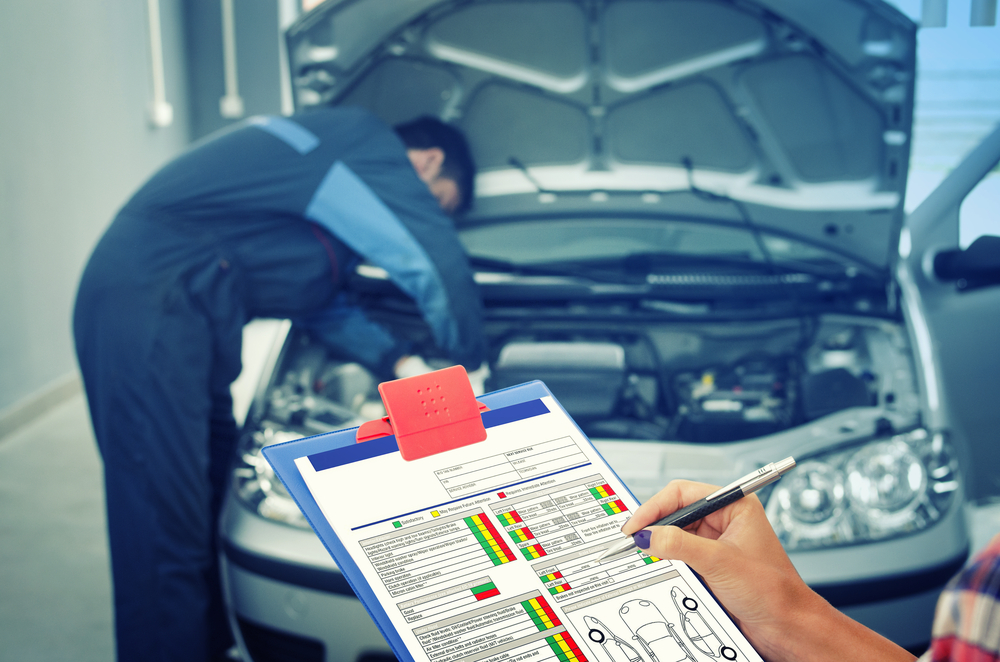

AI substantially enhances predictive car maintenance by improving diagnostic accuracy and repair strategies. It analyzes real-time sensor data alongside historical maintenance logs to identify potential failures early, allowing proactive maintenance scheduling. This integration optimizes resources, minimizes downtime, and supports sustainable practices by extending vehicle lifespans. The growing adoption of AI solutions in the automotive sector reveals a commitment to efficiency and reliability. Exploring this topic further reveals the broader implications of AI in revolutionizing automotive maintenance practices.
Highlights
- AI enhances vehicle assessments by combining historical data and real-time sensor inputs for accurate diagnostics and repair strategies.
- Proactive failure identification by AI reduces unexpected repairs, leading to improved vehicle reliability and reduced downtime.
- AI-driven predictive maintenance significantly improves cost efficiency, with fleets reporting a 400% ROI and annual savings of over $4.5 million.
- The integration of AI and IoT technologies supports real-time monitoring, allowing for swift issue resolution and extended vehicle lifespans.
- Machine learning models optimize maintenance scheduling by analyzing actual conditions, promoting environmental sustainability and reducing waste.
Understanding Predictive Maintenance in the Automotive Sector
While the automotive industry continues to evolve, understanding predictive maintenance (PdM) has become crucial in enhancing vehicle reliability and operational efficiency. PdM employs advanced automotive innovation through AI-based algorithms and IoT devices for continuous vehicle inspection. By monitoring real-time sensor data, these technologies can anticipate potential failures, allowing for timely interventions. Machine learning models draw perspectives from historical maintenance logs and operational metrics, optimizing maintenance schedules based on actual conditions rather than fixed timelines. This approach improves component longevity, reduces unexpected repairs, and minimizes vehicle downtime. Ultimately, embracing predictive maintenance not only aligns with modern standards of efficiency but also promotes a sense of community among stakeholders who prioritize safety and performance in the constantly changing automotive terrain. Moreover, predictive maintenance helps address or prevent issues and problems before they lead to costly downtime. Additionally, reducing downtimes and increasing system availability is essential for maintaining high operational performance and customer satisfaction. Predictive maintenance enables real-time alerts that reduce downtime and significant financial losses for drivers and fleet operators alike.
The Impact of AI on Maintenance Accuracy
The integration of AI in predictive maintenance has substantially enhanced the accuracy of vehicle assessments and repair strategies. By utilizing IoT sensors and real-time monitoring, AI facilitates thorough failure analysis, identifying issues before they escalate. This technical integration combines historical data with live sensor inputs, leading to substantially reduced breakdowns—up to 70% according to Deloitte. Early defect identification and situation-aware diagnostics further refine maintenance protocols, allowing for proactive scheduling based on actual risk rather than guesswork. Furthermore, data analytics and AI enable accurate predictions of future maintenance needs, ensuring that AI’s capabilities in multi-component predictive analysis guarantee interconnected failure risks are addressed, optimizing resource allocation and minimizing unnecessary alerts. Furthermore, AI-driven predictive maintenance reduces unexpected repair costs, contributing to overall operational efficiency. This proactive approach not only reduces costs for automotive manufacturing plants but also enhances driver safety.
Market Trends and Adoption of AI Solutions
As AI enhancements in predictive maintenance reshape vehicle care, market trends reflect a growing momentum in the adoption of these innovative solutions across the automotive sector. Market analysis indicates that the AI-driven predictive maintenance segment is positioned to expand substantially, projected to rise from $837.1 million in 2024 to $2.56 billion by 2034, with a 12% compound annual growth rate (CAGR). The financial benefits are apparent, as fleets utilizing AI report an impressive 400% return on investment, translating to savings exceeding $4.5 million annually. With 78% of automotive manufacturers adopting AI and 35% of premium vehicles featuring predictive maintenance, the market is developing rapidly, indicating a strong commitment to enhancing efficiency and reducing costs in vehicle operations. This trend is further supported by the integration of AI in vehicle maintenance, which has been shown to extend the lifespan of vehicles while reducing downtime and repair costs. The impact of AI is evident, as advanced AI applications not only improve predictive capabilities but also streamline overall maintenance processes. Additionally, the increasing need for AI-driven predictive maintenance solutions highlights the growing importance of proactive maintenance strategies within the automotive industry.
Integrating IoT for Real-Time Diagnostics
Integrating IoT technology into vehicle systems revolutionizes real-time diagnostics, enabling unmatched levels of monitoring and data analysis. IoT sensors continuously track critical parameters such as engine temperature, oil levels, and battery status. This data is transmitted via OBD-compatible systems to cloud platforms, allowing for efficient vehicle tracking and fleet management. Fleet managers utilize AWS IoT FleetWise to aggregate data, enabling real-time performance assessments and compliance monitoring. With predictive analytics, AI algorithms identify anomalies and generate actionable alerts, helping to prevent breakdowns. Moreover, remote diagnostics and over-the-air updates allow for swift issue resolution, minimizing downtime. Such innovations promote a sense of community among fleet operators dedicated to enhancing safety, efficiency, and service quality. Additionally, IoT-based solutions tailored for smart vehicle management are critical for improving operational efficiency in today’s automotive landscape. The IoT technology is increasingly becoming accessible across diverse vehicles, making it crucial for a broader range of drivers to benefit from these advancements. Furthermore, this industry shift towards connected vehicles reflects a strong emphasis on harnessing data-driven insights for improved vehicle maintenance practices.
Enhancing Sustainability Through AI Technologies
Artificial intelligence (AI) technologies play a crucial role in enhancing sustainability within the automotive industry. By reducing emissions by 30% and energy consumption by 25% through optimized maintenance schedules, AI contributes substantially to environmental benefits. The proactive identification of component failures extends vehicle lifespans, leading to a 20% reduction in waste and a decrease in the need for raw materials. Moreover, manufacturers employing predictive maintenance have reported up to 50% less downtime, aligning operational efficiency with sustainable practices. With real-time diagnostics and data-driven decision-making, AI minimizes environmental harm by preventing breakdowns and conserving resources. Ultimately, the integration of AI in automotive maintenance serves as a cornerstone for a more sustainable future in transportation. Additionally, predictive maintenance technology enhances safety by foreseeing and preventing malfunctions that might lead to accidents. As the global automotive predictive maintenance market continues to grow significantly, this technological adoption offers a competitive edge to automakers and fleet managers, positioning them as leaders in efficiency and reliability.
Real-Time Safety Monitoring and Its Importance
Real-time safety monitoring has emerged as a vital aspect of modern vehicle management, substantially enhancing both driver and passenger security on the road. Through vehicle tracking technologies, real-time GPS guarantees vehicles follow assigned routes and remain within safe speed limits. Geofencing alerts notify managers of potential safety hazards, while live location data aids in swift stolen vehicle recovery. Additionally, driver behavior monitoring leverages accelerometer data to detect aggressive driving, promoting immediate self-correction through in-vehicle alerts. Innovations such as predictive alerts anticipate collisions by analyzing both driver actions and external conditions, guaranteeing timely interventions. These systems not only prioritize safety but also promote a sense of community responsibility among drivers, ultimately contributing to improved driver safety for everyone. The integration of systems like Mobileye DMS enhances driver monitoring by assessing gaze patterns, ensuring that drivers remain attentive and aware of their surroundings. Furthermore, real-time monitoring can lead to lower insurance premiums for businesses that demonstrate a commitment to safety, incentivizing companies to invest in such technologies.
Technological Challenges and Future Developments in AI Maintenance
As the automotive industry increasingly accepts artificial intelligence for predictive maintenance, it faces an array of technological challenges that must be addressed to fully realize the benefits of these innovations. Data security is a primary concern, as vehicles generate extensive datasets that must comply with changing privacy regulations. Ensuring the encryption of sensitive information while permitting collaboration among service providers remains essential. Moreover, the integration of edge computing necessitates a careful balance between real-time data processing and cloud-based analysis, especially in areas with limited connectivity. The standardization of sensors and interoperability among various vehicle designs are also vital for improving predictive accuracy and system reliability. Addressing these challenges will pave the way for future developments in AI maintenance technology, promoting a more connected automotive ecosystem. By leveraging real-time telematics data, AI can enhance vehicle diagnostics and ultimately lead to more effective maintenance strategies. Additionally, AI diagnostics identify minor issues before they grow into major repairs, thereby reducing overall costs for vehicle owners. Furthermore, advancements in AI-driven predictive maintenance can significantly improve the accuracy of problem detection and scheduling, enhancing the overall maintenance experience.
Conclusion
To summarize, the integration of AI in predictive car maintenance represents a groundbreaking shift in the automotive industry, enhancing accuracy and efficiency while promoting sustainability. As market trends favor AI solutions and the integration of IoT for real-time diagnostics becomes commonplace, the potential for improved safety and operational effectiveness expands. Despite existing technological challenges, the future of AI-driven maintenance holds promise, ensuring vehicles remain reliable and safe, ultimately benefiting consumers and the environment alike, to recap, the final thought is that the industry will undergo a metamorphosis.
References
- https://wpaiworkflowautomation.com/ai-is-transforming-vehicle-maintenance/
- https://www.xenonstack.com/blog/ai-predictive-maintenance-vehicles
- https://syndelltech.com/ai-in-automotive-industry-2025/
- https://masterofcode.com/blog/ai-predictive-maintenance-in-automotive
- https://www.spglobal.com/automotive-insights/en/blogs/2025/07/ai-in-automotive-industry
- https://www.keyence.com/products/measure/resources/measurement-sensors-resources/predictive-maintenance-in-automotive-manufacturing.jsp
- https://www.phoenixcontact.com/en-mx/company/all-electric-society/predictive-maintenance
- https://resources.pcb.cadence.com/blog/2023-predictive-maintenance-for-the-automotive-industry
- https://businesstechinnovations.com/automotive/predictive-maintenance-in-automobiles-revolutionizing-vehicle-care-with-advanced-solutions/
- https://www.geotab.com/blog/predictive-maintenance/