

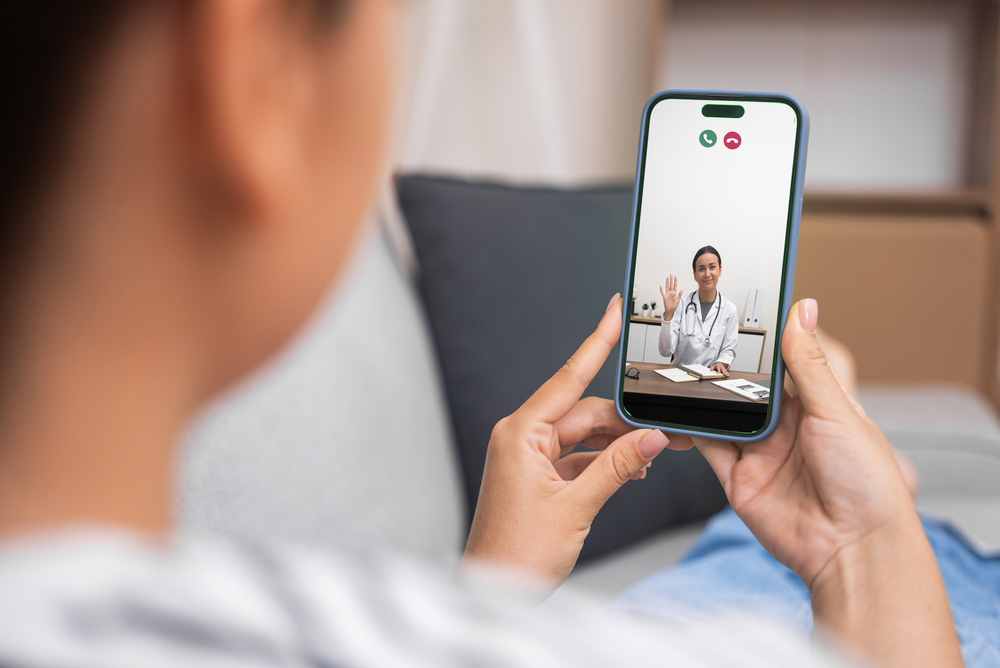

Telehealth effectively manages chronic conditions through various methods. Remote monitoring allows for continuous tracking, enabling timely interventions and personalized feedback. Patients benefit from digital tools that adapt treatments and enhance medication adherence. Cost-effectiveness is notable, saving on travel and reducing unnecessary hospital visits. Data analytics support informed care decisions, highlighting critical health patterns. Additionally, wearable technology aids in ongoing health management. Uncovering implementational strategies can further optimize chronic care delivery, enhancing overall patient well-being and engagement.
Highlights
- Utilize remote monitoring tools to track vital signs and manage chronic conditions, enabling timely interventions and reducing hospitalization rates.
- Implement telehealth consultations for personalized treatment adjustments and medication titration based on real-time health data.
- Leverage wearables to continuously monitor health metrics, facilitating proactive management of chronic diseases and promoting patient autonomy.
- Engage patients through secure messaging platforms and patient portals to enhance communication, transparency, and adherence to treatment plans.
- Form multidisciplinary teams and prioritize staff training to effectively integrate telehealth strategies into existing workflows for chronic disease management.
Benefits of Remote Monitoring for Chronic Conditions
As healthcare systems increasingly adopt technology, the benefits of remote monitoring for chronic conditions become more evident. Chronic management through condition tracking has led to significant reductions in hospitalization rates, demonstrating its effectiveness in improving patient outcomes. Programs utilizing real-time essential sign monitoring have facilitated early detection of health deterioration, allowing for timely interventions that prevent complications. For instance, a 38% reduction in hospitalizations for condition-specific complications has been reported. Additionally, continuous tracking enables patients with personalized feedback, enhancing their engagement and self-management skills. With remote patient monitoring in place, healthcare providers can respond swiftly to abnormal metrics, ultimately leading to improved readmission outcomes and enabling patients in their health paths. The shift toward remote monitoring represents a pivotal advancement in chronic care management. Notably, hospital readmission rates plummeted by 85% following RPM implementation, underscoring the substantial impact of these innovative solutions on patient care.
Cost-Effectiveness of Telehealth Services
Remote monitoring has not only improved patient outcomes but has also demonstrated significant cost-effectiveness for telehealth services, particularly in chronic condition management. Telehealth has resulted in considerable cost savings for public health programs, with Medicare and Medicaid recognizing reductions from hundreds of thousands to millions of dollars. Additionally, telehealth creates significant cost savings for health systems, particularly benefiting those relying on Medicaid. By reducing in-person care dependencies, telehealth effectively addresses high-cost scenarios while maintaining budget analysis parameters. The ability to avoid urgent care visits and unnecessary imaging translates into lower expenses for both healthcare providers and patients. Moreover, telehealth saves Medicare patients 60 million dollars on travel which incentivizes their continued use of virtual services. As telehealth technology improves remote management of chronic conditions helps prevent avoidable hospitalizations and promotes continuity of care, which is essential for maintaining community health. As telehealth continues to evolve, its financial advantages become increasingly evident for both individuals and healthcare systems alike.
Personalized Treatment Adjustments Through Digital Tools
Digital tools have revolutionized the terrain of personalized treatment adjustments in chronic condition management. Through remote monitoring and telehealth consultations, healthcare providers can implement customized interventions that adapt to the patient’s unique needs. Clinicians regularly titrate medications during virtual visits, ensuring adaptive adjustments in response to disease progression. Continuous tracking of crucial signs and medication schedules allows for real-time data analysis, which enhances adherence and mitigates complications. Moreover, digital applications provide comprehensive approaches by integrating lifestyle coaching alongside medication management. This diversified strategy not only promotes better health outcomes but also promotes a sense of belonging, as patients feel their individual circumstances are acknowledged and addressed. Consequently, personalized care becomes a synergistic path guided by technology and empathy. In fact, telehealth-based chronic care models significantly reduce avoidable hospitalizations, especially among high-risk populations. Moreover, the convenience of telehealth services makes it easier for patients to receive timely and consistent care without the barriers of traditional healthcare settings. Telehealth interventions can also improve medication adherence by engaging patients in their care and providing them with necessary resources to manage their conditions effectively.
Enhancing Patient Engagement With Telehealth
Telehealth has emerged as a pioneering force in enhancing patient engagement, especially in the management of chronic conditions. By improving healthcare accessibility, telehealth platforms allow underserved populations to connect with healthcare providers from anywhere. Additionally, AI-powered healthcare solutions streamline administrative tasks, allowing providers to focus more on patient interaction and less on paperwork. Remote monitoring tools enable real-time tracking of conditions, nurturing patient autonomy through active involvement in their health management. Secure messaging and patient portals facilitate direct communication between patients and providers, promoting transparency and reducing miscommunication. Furthermore, a higher rate of digital patient engagement can lead to improved patient satisfaction and retention. Furthermore, this level of engagement benefits from improved access to specialists who can offer tailored advice and support to patients managing chronic conditions.
Additionally, digital resources like appointment notifications help to increase adherence to treatment plans. This combination of innovative technology and patient-centric approaches enhances engagement, ultimately leading to better health outcomes and strengthened patient-provider relationships, creating a supportive community for individuals managing chronic conditions.
Utilizing Data Analytics for Informed Care Decisions
Data analytics has become an essential tool in the backdrop of chronic disease management, offering healthcare providers viewpoints that drive informed care decisions. Through data mining, healthcare professionals can access structured telehealth information, identifying patterns and anomalies critical for effective intervention. Predictive modeling plays a crucial role, enabling the diagnosis of conditions like heart failure and diabetes, while algorithms flag abnormal health markers for proactive risk identification. Despite the challenges of integrating real-world clinical data, the benefits are significant; studies indicate that telemedicine reduces hospitalizations and improves mortality rates, particularly among high-risk groups with chronic conditions. Moreover, with approximately 1 in 3 adults living with multiple chronic diseases, the shift towards a more proactive model in telecare services can enhance the effectiveness of these data-driven approaches. Ultimately, leveraging these analytics promotes a community-oriented approach to care, ensuring patients receive customized and timely interventions that enhance their health outcomes.
The Role of Wearable Technology in Chronic Disease Management
Wearable technology has emerged as a revolutionary force in the management of chronic diseases, offering innovative solutions that enable patients and enhance clinical outcomes. These wearable devices continuously monitor crucial signs, such as heart rate and glucose levels, allowing for prompt interventions and personalized care. Additionally, wearable devices have proven effective in monitoring hypertension, which demonstrates their versatility in addressing various health concerns. Recent studies indicate that chronic diseases contribute to high rates of disability and mortality worldwide, emphasizing the importance of addressing these health conditions through technology. Notably, noncommunicable diseases are responsible for 41 million deaths annually, underscoring the urgent need for effective management strategies.
By providing real-time data, patients receive customized feedback on their health, guiding dietary choices and medication adherence while facilitating early detection of complications. Moreover, clinical applications span various medical fields, aiding in cardiology, respiratory health, and more.
As healthcare continues to accept these medical innovations, wearables promote a sense of belonging among patients, enabling them to actively participate in their care path and substantially improving their quality of life. Additionally, clinical applications are essential, offering solutions that can markedly enhance patient care, and essential, these advancements support a new era in healthcare.
Strategies for Successful Telehealth Implementation
As healthcare systems increasingly adopt innovative solutions, effective implementation of telehealth becomes essential for maximizing patient outcomes and operational efficiency. A well-defined strategy emphasizes team building and includes forming multidisciplinary groups to address specific challenges. Evaluating existing workflows can pinpoint areas where telehealth enhances processes, while selecting user-friendly technology aligns with practice needs. Extensive staff training guarantees team members are proficient in both technical and communication skills, promoting patient trust. Additionally, understanding telehealth technologies allows practitioners to confidently provide telehealth services and enhances the overall patient experience. Conducting regular evaluations and integrating patient feedback are essential for developing services. By prioritizing accessibility and personalization, healthcare organizations create an inclusive environment that encourages team engagement in chronic disease management, enhancing overall patient care and adherence to treatment plans. Furthermore, successful telehealth implementation involves ensuring security and compliance with healthcare regulations, which builds trust and protects patient information.
Conclusion
In summary, telehealth emerges as a groundbreaking solution for managing chronic conditions, offering significant benefits such as remote monitoring, cost savings, and enhanced patient engagement. By leveraging digital tools and wearable technology, healthcare providers can personalize treatment plans and make data-driven decisions. Successful implementation strategies guarantee that these services are accessible and effective, ultimately improving health outcomes for patients. Embracing telehealth can lead to a more proactive approach in chronic disease management, nurturing better overall health and quality of life.
References
- https://prioritycareclinics.com/telehealth-chronic-disease-management/
- https://media.market.us/chronic-care-management-statistics/
- https://www.pharmdlive.com/blog/chronic-care-management-ccm-2025/
- https://www.magnetaba.com/blog/telehealth-statistics
- https://www.ruralhealth.us/blogs/2025/02/5-telemedicine-trends-for-hospital-leaders-in-2025
- https://www.tenovi.com/remote-patient-monitoring-chronic-disease-management/
- https://www.dialoghealth.com/post/remote-patient-monitoring-statistics
- https://www.mahalo.health/insights/impact-of-remote-patient-monitoring-on-chronic-disease-management-in-2024
- https://pmc.ncbi.nlm.nih.gov/articles/PMC8734917/
- https://www.commonwealthfund.org/blog/2024/remote-patient-monitoring-helping-patients-europe-manage-their-chronic-conditions-can-it