


To stay hydrated the right way, individuals must first assess their personal hydration needs based on body weight, activity level, and environment. Consuming water in smaller amounts throughout the day, especially during meals, optimizes retention. Incorporating high-water-content foods like cucumbers and watermelon can also enhance hydration. Staying aware of signs of dehydration, such as dark urine and thirst, is vital. Effective hydration strategies can greatly enhance overall health and performance, with more perspectives available on optimizing fluid intake.
Highlights
- Calculate your daily water needs by multiplying your body weight in kilograms by 30-40ml to determine proper hydration levels.
- Drink water regularly throughout the day, especially during meals, to optimize hydration retention.
- Incorporate high-water-content foods like cucumbers, watermelon, and strawberries into your diet to enhance fluid intake.
- For effective hydration during exercise, consume fluids 15-20 minutes prior and replenish lost fluids with electrolytes during intense activities.
- Monitor hydration by observing urine color, aiming for a light yellow shade as an indicator of adequate fluid levels.
Understanding Your Personalized Hydration Needs
Understanding one’s personalized hydration needs is essential for maintaining ideal health and well-being. Daily routines can greatly influence hydration requirements, with adults typically needing 30-40ml of water per kilogram of body weight. For men, approximately 3.7 liters and for women, 2.7 liters are recommended for total fluid intake each day. Body weight plays a significant role in determining daily water intake, emphasizing the importance of individual assessment.
Body composition plays a crucial role; older adults may be particularly vulnerable to dehydration due to decreased thirst sensations and changes in hydration status. Individuals in hot environments or those who engage in physical activity will also have higher needs. Optimal hydration can significantly impact exercise performance, which highlights the importance of customized hydration strategies, fostering a sense of community among those dedicated to living healthfully and actively caring for their bodies, which is essential. Regular monitoring of hydration status can further enhance the effectiveness of these personalized strategies.
Effective Strategies for Increasing Water Intake
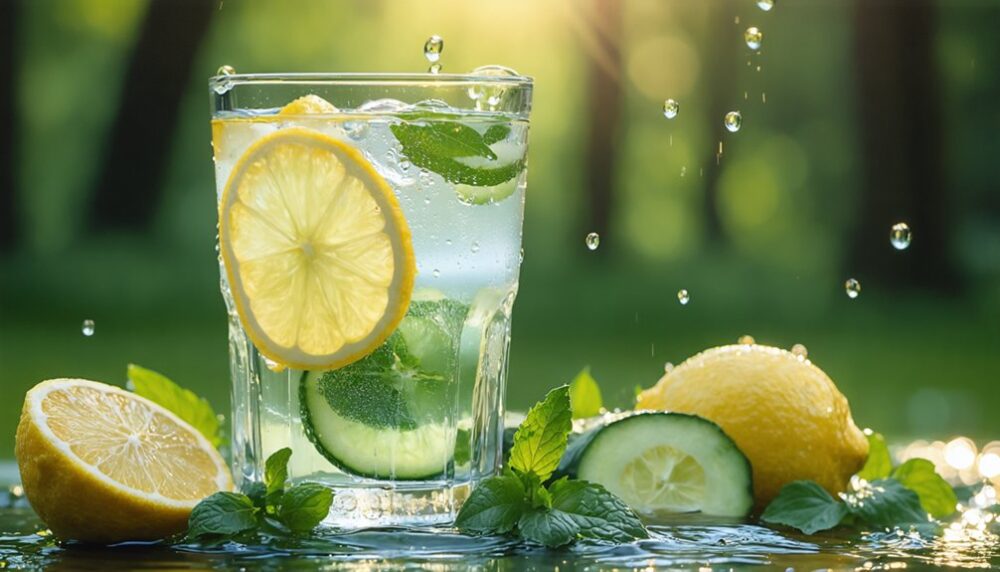
Customized hydration strategies are essential for individuals looking to enhance their fluid intake and overall health. One effective approach involves water tracking, which provides accountability and encourages consistent hydration habits. Incorporating infused water with fruits like lemons or cucumbers can make drinking water more appealing and enjoyable. Drinking smaller amounts of water throughout the day, especially with meals, optimizes retention and hydration levels; sipping water throughout the day is recommended over consuming large amounts at once. Establishing routines, such as drinking before or after exercise, reinforces these habits. Moreover, keeping a filled water bottle accessible during daily activities guarantees easy access to hydration. By breaking daily fluid goals into manageable servings, individuals can create sustainable practices that encourage a healthier lifestyle while promoting a sense of community among friends and family. Furthermore, maintaining proper hydration is vital for cellular homeostasis and overall bodily functions. Adequate hydration also helps to reduce the risk of heat-related illness and supports optimal physical performance during exercise.
Health Benefits of Staying Properly Hydrated
Staying properly hydrated offers numerous health benefits that extend far beyond mere thirst quenching. Research indicates that ideal hydration plays an essential role in human health, contributing to longevity and reducing the risk of chronic diseases such as heart failure, diabetes, and dementia. Those who maintain adequate hydration levels often experience improved cognitive function, enhancing concentration and memory performance. Moreover, hydration therapy supports physical performance, particularly during exercise, as even minor dehydration can adversely affect bodily functions. Staying hydrated is crucial for healthy aging, especially as the body becomes less aware of thirst with age. Additionally, adequate water intake helps maintain digestive harmony, ensuring the body can efficiently process food and absorb nutrients. From kidney health—reducing the risk of stones and infections—to aiding in effective detoxification, proper hydration is fundamental. Furthermore, maintaining optimal hydration can help maximize physical performance, allowing individuals to excel during rigorous activities. Consequently, embracing hydration is a pivotal step toward enhancing overall well-being and supporting a lively, active lifestyle.
Optimal Fluid Consumption Patterns
Optimal fluid consumption patterns play an essential role in maintaining adequate hydration and promoting overall health. Understanding fluid balance involves recognizing that individual hydration needs vary based on factors such as age, sex, and activity level. Seasonal adjustments further complicate these needs; for example, total water intake often increases by 359–429 mL/day in summer due to higher dehydration risks. It is essential to distribute fluid intake evenly throughout the day to achieve ideal hydration, especially for individuals prone to kidney stones. While many self-report stable fluid consumption regardless of temperature changes, strategic adaptations are necessary for effective hydration management. Achieving optimal hydration can significantly decrease chronic disease risk and improve overall well-being, especially since dehydration has adverse effects on cognitive performance and mood. Moreover, maintaining optimal hydration status can lower the risk of urinary tract infections and hypertension.
Assessing Your Hydration Requirements
Fluid consumption patterns serve as a foundation for understanding hydration requirements, yet accurately evaluating individual hydration needs is equally important. Various methods exist for evaluating hydration, including laboratory tests and clinical evaluations. Laboratory techniques, such as urine osmolality and bioelectrical impedance analysis, offer precise measurements but may lack real-time applicability. Clinical evaluations rely on physical examination indicators like skin turgor, capillary refill time, and crucial sign abnormalities to determine hydration status. Moreover, monitoring body weight changes can provide practical perspectives into hydration levels. Combining different methods can enhance the accuracy of hydration assessment. Furthermore, consistent hydration monitoring safeguards health in vulnerable populations and athletes alike. Additionally, experts argue there is no gold-standard technique for hydration assessment, emphasizing the need for a multifaceted approach.
Hydration Considerations During Exercise
Maintaining proper hydration during exercise is essential for optimizing performance and ensuring overall safety. Athletes should aim for 4 to 8 ounces (120-240ml) of fluid intake every 15 to 20 minutes. The specific fluid requirements vary with exercise intensity and environmental factors; those engaging in high-intensity workouts in heat may need the upper range. Starting in a euhydrated state is critical, allowing for effective hydration management throughout the activity. Dehydration of 2% body mass or more can lead to significant performance declines and increase the risk of heat-related illnesses. Moreover, optimal hydration supports thermoregulation and performance, making pre- and during-exercise fluid intake essential for all individuals seeking to enhance their physical capabilities and overall experience. Restoring lost fluid can be effectively achieved through the consumption of fluids with added constituents, such as carbohydrate and electrolytes. Additionally, planned drinking is recommended during longer duration activities to prevent performance impairment related to dehydration.
The Role of High-Water-Content Foods
Athletes and fitness enthusiasts often prioritize hydration through beverages, yet high-water-content foods play a significant role in maintaining ideal hydration levels. Foods such as cucumbers, with an exceptional 96-97% water content, provide an excellent source of hydration while being low in calories. Iceberg lettuce and celery also showcase impressive water content levels at 96% and 95%, respectively. Additionally, hydrating fruits like watermelon and strawberries, both containing around 91-92% water, not only hydrate but also supply essential nutrients. Incorporating high water content foods can help prevent dehydration and support body functions. Water is essential for regulating body temperature, and incorporating these high-water-content foods into daily meals—whether in salads, smoothies, or snacks—enhances food hydration and supports overall wellness.
Identifying Signs of Dehydration
Recognizing the early signs of dehydration is crucial for maintaining ideal health and performance. The initial dehydration symptoms often include thirst and a dry or sticky mouth, signaling reduced saliva. A noticeable change in urine color, particularly darker yellow, can indicate concentrated waste products.
As dehydration progresses, individuals may experience mild headaches and fatigue due to electrolyte imbalance. Moderate dehydration symptoms, such as dizziness and infrequent urination, may further emerge. It is crucial to be aware of critical symptoms like rapid heartbeat or confusion, which can indicate severe dehydration.
Adopting effective hydration methods, such as regular water intake, can minimize these risks. Being informed enables individuals to act before dehydration impacts overall well-being.
Tools and Techniques for Monitoring Hydration
Effective hydration strategies begin with understanding how to monitor hydration levels accurately. Tools such as urine analysis methods, including Armstrong’s color chart and digital analysis systems, provide practical perspectives into hydration status.
Additionally, measuring urine specific gravity and osmolality yields laboratory-standard assessments, though they require specialized equipment. Bioimpedance monitoring technology offers a non-invasive alternative, utilizing wearable sensors to deliver real-time hydration data wirelessly to smartphones.
This method correlates body impedance changes with hydration levels, ensuring users can track their hydration effortlessly throughout daily activities. Moreover, multi-parameter platforms like the W.U.T method assess hydration through weight, urine, and thirst, promoting a deeper understanding of fluid balance and enhancing overall wellness in a supportive community environment.
References
- https://www.nature.com/articles/s41598-022-21869-y
- https://pmc.ncbi.nlm.nih.gov/articles/PMC9623173/
- https://www.gssiweb.org/en/sports-science-exchange/Article/hydration-for-health-and-wellness
- https://www.physiology.org/publications/news/the-physiologist-magazine/2021/july/the-science-of-hydration
- https://pmc.ncbi.nlm.nih.gov/articles/PMC2908954/
- https://koreystringer.institute.uconn.edu/hydration/
- https://www.massgeneralbrigham.org/en/about/newsroom/articles/tips-for-staying-hydrated
- https://dualdrinks.com/blogs/guides/how-to-calculate-water-intake-five-key-factors-for-personalized-hydration
- https://pmc.ncbi.nlm.nih.gov/articles/PMC11085813/
- https://khni.kerry.com/news/protein-exercise-performance/hydration-and-exercise-unlocking-full-potential/