

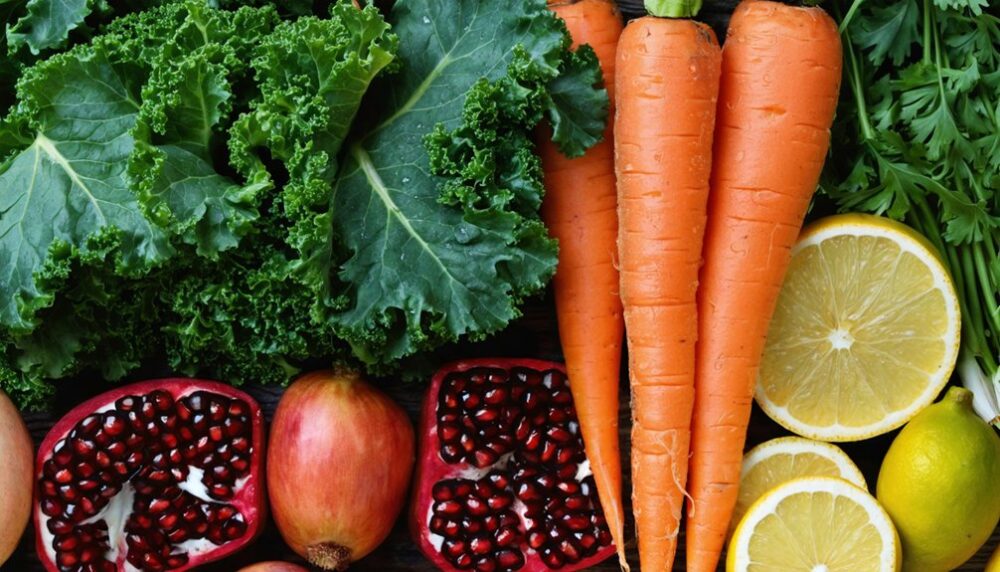

Foods that naturally enhance immunity include vitamin C-rich fruits and vegetables, such as guava, Kakadu plums, and red bell peppers. Protein sources like lean meats, eggs, and plant-based options strengthen immune function. Nuts, seeds, and healthy fats, including omega-3 fatty acids, enhance immune responses. Fermented foods, like yogurt and kimchi, promote gut health, while colorful vegetables provide essential beta-carotene. Spices and herbs also contribute to immune defense, creating a balanced approach to overall well-being. There’s much more to uncover about supporting immunity effectively.
Highlights
- Kakadu plums and acerola cherries are exceptionally rich in vitamin C, vital for enhancing immune function.
- High-quality proteins from lean meats, dairy, and plant sources support the production of immune cells vital for defense.
- Fermented foods like yogurt and kimchi boost gut health, increasing microbial diversity and improving immune responses.
- Allium vegetables, such as garlic and onions, provide potent immune-boosting properties through their bioactive compounds.
- Colorful vegetables, including carrots and sweet potatoes, are rich in beta-carotene, supporting immune cell performance and reducing inflammation.
Vitamin C-Rich Fruits and Vegetables
Vitamin C-rich fruits and vegetables play a vital role in strengthening the immune system and promoting overall health. Particularly, Kakadu plums and acerola cherries top the list, providing exceptional vitamin benefits with high concentrations per serving. Guava and fresh papaya offer impressive amounts as well, fulfilling nearly the entire daily requirement in just one cup. Among vegetables, red bell peppers shine with 116.3 mg of vitamin C, making them one of the most effective immune enhancers. With options like broccoli and Brussels sprouts, it’s easy to include Vitamin C-rich foods in daily meals. These nutrient-dense foods not only enhance immune function but also contribute to collagen synthesis and cardiovascular health, making them essential for a balanced lifestyle, giving a significant increase. Additionally, Kakadu plums contain up to 2,907 mg of vitamin C per 100 g, making them the richest known source of vitamin C. Furthermore, guava has the highest vitamin C content among fruits at 125.6 mg per 55 g piece, further emphasizing the importance of including it in your diet. In addition, blackberries are also recognized for their high vitamin C content, offering another delicious option for boosting immunity.
Protein Sources for Immune Support
A strong protein intake is essential for optimizing immune function and supporting the body’s defense mechanisms. High-quality animal proteins, such as lean meats, poultry, and fish, deliver complete amino acid profiles vital for immune cell production. Eggs help regulate immunity, while dairy products supply lactoferrin and immunoglobulins that reinforce defenses. Additionally, combining legumes with grains enhances plant-based protein efficacy, supporting immune health. Soy and lentils contribute essential amino acids along with beneficial properties for immune modulation. Quinoa and amaranth are notable for their complete profile as plant proteins. Research highlights that adequate protein intake not only maintains immune balance but also reduces proinflammatory responses, ultimately helping to promote resilience against infections by taking a plunge into varied diets. Furthermore, specific nutrients influence immune cell function, which reinforces the idea that ensuring sufficient protein intake can substantially underpin a sturdy immune system. Prioritizing diverse protein sources can substantially underpin a sturdy immune system. Interestingly, studies suggest that a low-protein diet may enhance macrophage activity to better respond to pathogens.
Nuts, Seeds, and Healthy Fats
Nuts, seeds, and healthy fats play an essential role in enhancing the immune system through their rich nutrient profiles. The nutrient benefits from tree nuts, such as high levels of vitamin E and selenium, support immune cell function and reduce inflammation. Walnuts are particularly noted for their omega-3 fatty acids, which lower inflammatory responses. Among seeds, flaxseeds and chia seeds offer outstanding advantages, providing anti-inflammatory alpha-linoleic acid and essential protein. Regular consumption of these foods not only promotes gut health but also enhances T-cell function, essential for adaptive immunity. Additionally, nut intake of 30 grams on most days is recommended as part of a healthy diet, further contributing to immune support. Furthermore, studies show that nuts and seeds have been found to reduce the risk of cardiovascular disease, which is important for overall health. Consuming a variety of superfoods, rich in essential nutrients, supports overall immune function and helps the body fend off illness.
Fermented Foods and Probiotics
While many people focus on individual nutrients when considering immune health, the role of fermented foods and probiotics cannot be overlooked. These foods, rich in beneficial bacteria, enhance gut health by increasing microbial diversity. Clinical studies have shown that regular consumption of fermented foods can lower inflammation and improve immune responses, thereby reducing the risk of chronic conditions. Furthermore, the postbiotics produced during fermentation offer added health benefits, including short-chain fatty acids essential for gut integrity. Moreover, eating fermented foods has been shown to increase microbiome diversity, which plays a crucial role in maintaining overall health. Probiotics derived from lactic acid bacteria in fermented foods help to regulate the gut microbiome, promoting a healthy immune system. Traditional options such as yogurt, kimchi, and sauerkraut boast the most fermented benefits. By incorporating these foods into daily diets, individuals can support their immune system and foster a healthier community within their gut, leading to lasting wellness and vitality. Additionally, the fermentation process helps to extend the usability of food for extended periods, which ensures access to nutritious options year-round.
Colorful Vegetables and Beta Carotene
Incorporating a variety of colorful vegetables into one’s diet is another effective strategy for enhancing immune health. Rich in beta carotene, these vegetables, including carrots, sweet potatoes, pumpkin, and dark leafy greens, serve as powerful immune enhancers. The vivid colors of these foods signify their beta-carotene content, a carotenoid that plays a vital role in supporting immune function. Clinical studies suggest that beta-carotene strengthens immune cell performance and possesses notable antioxidant and anti-inflammatory properties. Additionally, this nutrient converts to vitamin A when needed, further aiding the body. Furthermore, beta-carotene can inhibit the production of inflammatory cytokines, which may contribute to reduced inflammation and improved immune response. Maternal β-carotene supplementation has also been found to enhance offspring immunity and growth in chickens, demonstrating the far-reaching benefits of this nutrient. Regular consumption of these colorful vegetables can substantially enhance the immune system, helping individuals maintain ideal health and resilience against illnesses. Consuming foods rich in beta-carotene also boosts defenses and maintains good vision, mucous membranes, and bones.
Spices, Herbs, and Alliums
Spices, herbs, and alliums collectively play a vital role in enhancing immune function, offering a wide range of health benefits that extend beyond flavor enhancement.
Allium vegetables, including garlic and onions, serve as potent immune enhancers due to their sulfur-rich compounds, which exhibit significant antiviral properties against harmful infections such as viruses and bacteria. Allicin, found in garlic, disrupts microbial cell walls and modulates immune responses, while quercetin in onions enhances defense against various pathogens. Additionally, the bioactive compounds in alliums, such as flavonoids and organosulfur compounds, contribute to antioxidant and anti-inflammatory effects that further strengthen the immune system. Studies suggest that a high consumption of alliums can lead to a reduced risk of cardiovascular disease, highlighting their role in overall health. Furthermore, garlic is known for its therapeutic impact due to the presence of organosulfur components, enhancing its capacity to support immune function.
Moreover, aromatic herbs and spices, like turmeric and ginger, possess antibacterial and anti-inflammatory potential, supporting overall health. Incorporating these flavorful ingredients into daily meals not only augments tastes but also fortifies the body’s ability to fend off illnesses effectively.
The Role of Healthy Fats in Immunity
Healthy fats play an essential role in supporting immune function, serving as indispensable components for the body’s defense mechanisms. Fatty acids modulation is pivotal, as omega-3 fatty acids contribute to immune system regulation by enhancing cell membrane integrity and reducing inflammatory cytokine production. In addition, a recent study found that a balanced high-fat diet can decrease fat mass while improving overall body composition. Sources like fatty fish, olive oil, and nuts provide these healthy fats, promoting essential immune health functions and supporting gut barrier function. Particularly, diets rich in n-3 polyunsaturated fatty acids lower systemic inflammation, benefiting those with metabolic disorders. Incorporating these fats into daily caloric intake can lead to improved immune responses without compromising overall well-being, emphasizing their significance in nurturing a sturdy immune system that harmonizes with a healthier lifestyle. Furthermore, research indicates that saturated fats trigger inflammation through a unique immune response, highlighting the necessity of healthy fats in preventing metabolic disorders linked to excessive dietary fat.
Importance of Hydration for Immune Health
Hydration is a fundamental yet often overlooked aspect of maintaining a strong immune system. Adequate water intake supports immune cell function, including T-cell and B-cell activity, essential for combating infections. Dehydration negatively impacts immunity, leading to decreased neutrophil function and impaired response to pathogens.
Even mild dehydration of 1-2% body water can hinder cognitive functions and diminish salivary antimicrobial proteins. The gut health-immune connection strengthens with proper hydration, as it enhances the distribution and function of immune cells. Additionally, efficient hydration can prevent respiratory complications during exercise by improving airway hydration. Recognizing the hydration benefits and ensuring adequate daily water intake, typically 2.5 to 3 liters, promotes ideal immune health and overall well-being.
Lifestyle Factors That Affect Immune Function
While many factors contribute to overall health, lifestyle choices play a pivotal role in shaping immune function. Regular physical activity not only enhances immune responses but also prevents infections, establishing a foundation for physical health.
In contrast, sedentary behavior can weaken immune defenses, particularly as one ages. Mental well-being is equally essential; chronic stress elevates cortisol levels, which substantially hamper immune functionality.
Adequate sleep further supports immunity by promoting the production of immune cells. Additionally, maintaining balanced dietary habits rich in essential vitamins and minerals promotes prime immune health.
Embracing these lifestyle factors collectively nurtures a resilient immune system, encouraging individuals to share in the pursuit of better health and well-being together.
References
- https://healthcenter.lafayette.edu/2024/05/07/superfoods-to-improve-your-immune-system-and-lower-the-risk-of-cancer/
- https://www.brownhealth.org/be-well/foods-boost-your-immune-system
- https://news.cuanschutz.edu/health-and-wellness/the-truth-about-immune-boosting-foods
- https://www.nature.com/articles/d41586-024-03334-0
- https://www.mayoclinichealthsystem.org/hometown-health/speaking-of-health/fight-off-the-flu-with-nutrients
- https://pmc.ncbi.nlm.nih.gov/articles/PMC9772031/
- https://pmc.ncbi.nlm.nih.gov/articles/PMC10630845/
- https://www.health.harvard.edu/staying-healthy/how-to-boost-your-immune-system
- http://meatlessmonday.publichealth.jhu.edu/resources/defend-your-immune-system-plant-based-foods
- https://www.healthline.com/nutrition/vitamin-c-foods