

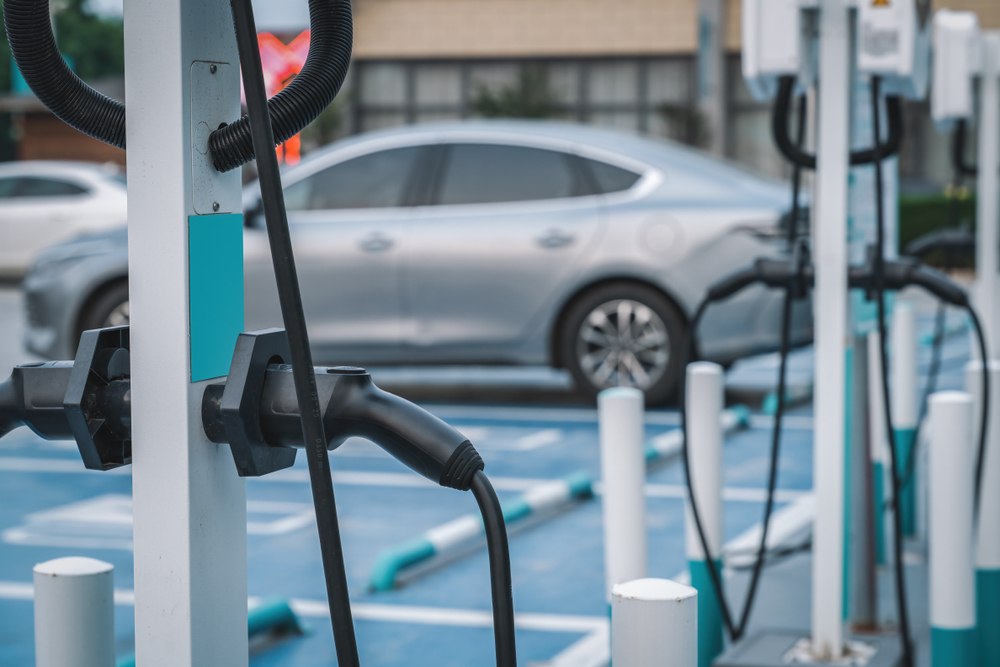

The expansion of electric vehicle (EV) infrastructure in suburban areas is crucial as access to charging stations remains limited compared to urban centers. California and Florida lead in deployment, yet economic viability poses challenges with utilization rates stagnant below 20%. Public-private partnerships and federal grants aim to enhance accessibility, addressing disparities faced by underserved communities. Strategic planning focuses on integrating high-powered chargers while targeting rural areas that lack sufficient infrastructure. Further perspectives reveal more about these changing dynamics.
Highlights
- Electric vehicle charging stations are increasingly being installed in suburban areas through public-private partnerships connecting them to retail hubs for community accessibility.
- Financial models and public funding initiatives are crucial to offset high installation costs, making suburban charging stations more economically viable.
- State initiatives prioritize underserved communities, directing resources to equitable EV infrastructure growth across suburban regions.
- Strategic placement of charging hubs along suburban arterials and near transit nodes enhances accessibility and efficiency in EV charging infrastructure.
- Advanced technology integration, including high-powered chargers and smart systems, optimizes energy use and supports the expansion of EV infrastructure in suburbs.
Current Landscape of EV Charging in Suburban Areas
The current scenery of electric vehicle (EV) charging in suburban areas reveals a complex interplay between infrastructure availability, technological advancements, and economic viability. Unlike metropolitan regions, where nearly 90% of charging stations are concentrated, suburban spaces face unique challenges in charger installation. State-level disparities show that areas like California and Florida dominate this terrain, leaving some suburbs without adequate access. Public-private partnerships are emerging, connecting charging stations to retail hubs, making them more appealing to communities. Suburban planning may utilize zoning laws and municipal incentives to stimulate growth, potentially improving utilization rates. As EV adoption increases, addressing interoperability and grid integration will be vital in creating an effective and sustainable network for all suburban residents. Furthermore, it is essential to consider the emerging charging divide between urban and rural areas, as it highlights the differing levels of infrastructure support. As rural electric cooperatives promote EV adoption and install charging infrastructure, suburban areas can look to their successes as models to enhance their own charging networks. To meet the growing demand, many regions will need to adapt by ensuring access to 64,187 EV charging stations that are projected nationwide by the end of 2024.
Growth in Charging Station Accessibility
Growth in charging station accessibility reflects a vital expansion of electric vehicle (EV) infrastructure that is gaining momentum across a variety of suburban terrains. As urban areas dominate the scenery with 90% of U.S. charging stations, suburban zones are gradually aligning with shifting charging patterns. The design of these stations is increasingly focused on efficiency, with states like California, Texas, and Florida leading in deployment to accommodate commuter needs. However, challenges remain; disparities in EV-to-charger ratios highlight inefficiencies, particularly in states like New Jersey. While suburban growth rates exceed urban at 34%, underinvestment caused by state-level policies and funding limitations threatens to inhibit further progress. Addressing these obstacles will be essential for nurturing a more inclusive charging network. To make this possible, 1.2 million Level 2 chargers will be necessary by 2027 to meet the growing demand for EVs, particularly as the U.S. has around 60,000 fast charging ports installed today. Additionally, the 45% of rural counties having at least one fast EV charging port installed exemplifies the ongoing effort to establish a more comprehensive national charging infrastructure.
Economic Viability and Utilization Challenges
While the expansion of electric vehicle (EV) charging infrastructure is crucial for supporting increased adoption, economic viability and utilization challenges pose significant obstacles. Financial models heavily influence charging station development, with utilization rates in suburban areas often failing to exceed the critical 20% threshold needed for break-even. This is compounded by competition from urban stations and prevailing economic barriers, including high installation costs and limited funding. Despite suburban advantages like higher population density, these factors deter investment. Without sustained policy support, public funding initiatives, such as grants and tax incentives, become essential to offset costs and enable feasible infrastructure growth. In this scenery, the sustainability of EV adoption hinges on overcoming these intertwined economic challenges. Additionally, 64% of Americans live within 2 miles of a public charging station, highlighting the growing demand for charging infrastructure that could incentivize investment in these areas. As the number of electric vehicles in the U.S. increased by 114% from 2023 to 2024, it underscores the urgent need for accessible charging solutions. Furthermore, 76.5% of metropolitan counties have at least one fast EV charging port installed, illustrating the disproportionate access to charging infrastructure that can affect suburban areas.
Policy Initiatives Driving Expansion
Although the challenges of expanding electric vehicle (EV) infrastructure are significant, a series of targeted policy initiatives is emerging as a strategic response to support and accelerate this growth. Federal initiatives, such as the allocation of $635 million in grants through the CFI and NEVI programs, prioritize not only community and corridor projects but also equity by focusing efforts on underserved areas. State partnerships further enhance this structure, with California allocating 50% of its funding to low-income communities and Texas directing resources to rural travel. Additionally, infrastructure planning tools reinforce local engagement and deployment strategies. States may become the sole provider of support for EV charging infrastructure as private-sector investments have led to an uneven distribution of charging stations across the country. Communities are primary stakeholders in the planning and development of this infrastructure, ensuring that the expansion is equitable, efficient, and integrated across various regions, promoting broader access to EV infrastructure.
Demographic Insights and Charger Proximity
As policy initiatives promote the expansion of electric vehicle (EV) infrastructure, an exploration of demographic viewpoints reveals critical factors influencing charger accessibility and adoption. Suburban trends indicate five distinct EV customer segments based on age, household type, and regional preferences, with a notable female predominance among buyers aged 55+ and 18–34. Charger placement reflects diverse household characteristics—those with three or more children or none at all have specific needs for accessibility. While 64% of Americans reside within two miles of a public charger, suburbs show disparity, as only 41% live within a mile. These subtleties emphasize the importance of strategically locating chargers to promote wider EV adoption and ensuring that all demographics feel included in the shift to electric mobility. Furthermore, suburban areas’ lack of charging infrastructure hinders the growth of EV adoption rates in these communities. In response to this, the share of EV owners reportedly charging at home highlights the need for increased public charging options to support those without home charging access.
Addressing Rural Disparities
Given the significant disparities in electric vehicle (EV) charging infrastructure between rural and urban areas, addressing these inequities is essential for nurturing widespread EV adoption. Currently, only 45% of rural counties boast a fast charging port, substantially lagging behind their urban counterparts. This gap reveals a systemic challenge in rural development; without targeted infrastructure investment, adoption rates will remain stagnant. The Inflation Reduction Act’s incentives illustrate some progress, yet significant reliance on private investment for charging stations proves problematic due to low utilization. Historical precedents like the Rural Electrification Act underline the necessity for collaborative funding models. Bridging this infrastructure divide is not merely a technical issue but a pivotal socioeconomic undertaking, promoting unity and mobility for all communities. As public charging points continue to expand, it is crucial that rural areas receive their fair share to ensure equitable access for all EV owners.
Future Strategies for EV Infrastructure Development
The future of electric vehicle (EV) infrastructure development hinges on a complex approach that prioritizes strategic placement, innovative technologies, and community engagement. This terrain will feature strategically located Charging Hubs along suburban arterials and near public transit nodes, enhancing accessibility. Technology integration is vital, with the deployment of high-powered chargers and smart systems optimizing energy use during off-peak hours. Furthermore, public-private partnerships will drive expansion, incentivizing businesses to adopt EV-ready infrastructure and engage local communities in decision-making. Supporting mechanisms such as federal tax credits and state grants will further accelerate progress, with federal funding for EV infrastructure making a significant impact in underserved areas. This strategy aims to establish a national EV charging network that addresses local needs while contributing to broader climate goals. Additionally, advocates from the Zero Emission Transportation Association (ZETA) are working tirelessly to push for policies that drive this necessary transformation.
Conclusion
In conclusion, the expansion of EV infrastructure in suburban areas reflects a pivotal shift towards sustainable transportation. With increased accessibility and supportive policies, the challenges of economic viability and utilization are gradually being addressed. Demographic insights highlight the importance of charger proximity, while ongoing efforts aim to mitigate rural disparities. As communities adopt these strategies, the future landscape of electric vehicle charging promises to enhance both consumer convenience and environmental responsibility, marking a significant step towards greener suburbs.
References
- https://www.planetizen.com/news/2025/06/135325-ev-charging-divide-plaguing-rural-america
- https://www.pewresearch.org/data-labs/2024/05/23/electric-vehicle-charging-infrastructure-in-the-u-s/
- https://www.paren.app/blog/state-of-the-industry-report-us-ev-fast-charging-q1-2025
- https://abc17news.com/news/2025/07/25/mapping-fast-ev-ports-across-rural-america-reveals-emerging-charging-divide/
- https://www.wftv.com/news/mapping-fast-ev-ports-across-rural-america-reveals-emerging-charging-divide/JN4SAGGICBN75K7UQUNJ3LIAOQ/
- https://evchargingsummit.com/blog/how-goes-ev-charging-in-todays-rural-america/
- http://www.riverreporter.com/premium/stacker/stories/mapping-fast-ev-ports-across-rural-america-reveals-039emerging-charging-divide039
- https://ev-lectron.com/blogs/blog/number-of-ev-charging-stations-by-state-2024-overview
- https://www.hbs.edu/bigs/the-state-of-ev-charging-in-america
- https://zutobi.com/us/driver-guides/the-us-electric-vehicle-charging-point-report